
RESEARCH at pcit

Research at PCIT

Research is a core part of the work carried out at the Parkinson’s Centre for Integrated Therapy. Our research programme aims to better understand the challenges faced by people affected by Parkinson’s and to develop, test, and refine non-pharmacological approaches that can improve quality of life.

PCIT provides a unique setting where research is closely integrated with real-world practice. Studies are informed by clinical experience and shaped by the priorities of people living with Parkinson’s, their families, and carers.

Research activity at PCIT is supported by academic staff and students from across the University of Kent, bringing together expertise from multiple disciplines.

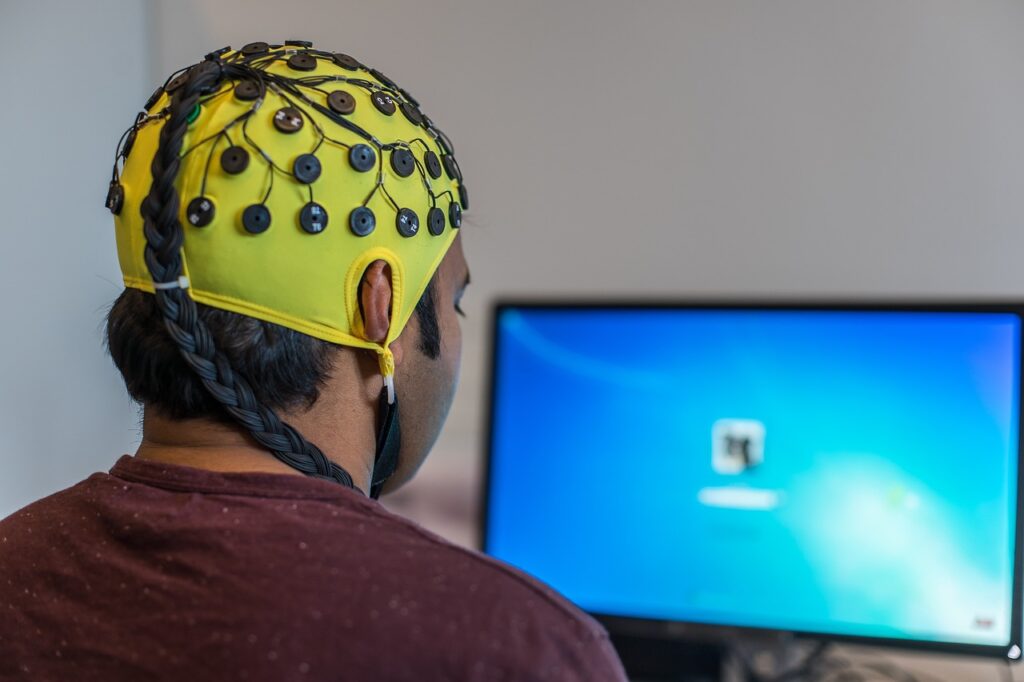
eeg, integration, brain current measurement, electroencephalography, sensors, computer, low-threshold, biosensor, neuro, neurofeedback, eeg, eeg, eeg, eeg, eeg

Our Approach
to Research

Research at PCIT is collaborative, interdisciplinary, and participant-centred. Projects range from small feasibility and efficacy studies to large Phase III clinical trials designed to secure the regulatory approvals needed for clinical adoption. All studies are reviewed to ensure they are ethical, safe, and appropriate, with participants’ wellbeing always prioritised.

Key Areas of Research

Psychological Interventions

We explore psychological and behavioural approaches designed to support wellbeing, adjustment, and quality of life. This includes interventions for people living with Parkinson’s, as well as support for spouses, partners, and carers.

Brain Stimulation

We investigate the clinical utility of non-invasive brain stimulation techniques, including transcutaneous auricular vagus nerve stimulation (taVNS), galvanic vestibular stimulation (GVS), and transcranial direct current stimulation (tDCS). Drawing on 20 years of world-leading, highly-published research and clinical impact, our investigations focus on feasibility, tolerability, and efficacy, either as stand alone or adjuvant treatments. 

Exercise and Movement

Exercise-based research at PCIT examines physical activity, balance, gait, fatigue, and motivation. Projects often explore how exercise interacts with psychological and neurological factors to support overall wellbeing.

AI-Based and Digital Interventions

We examine how digital tools and artificial intelligence can support self-management, goal setting, motivation, and engagement with therapies. These approaches are designed to complement, rather than replace, existing care.

EEG and Neurophysiology

Electroencephalography (EEG) is used to better understand the neural processes associated with learning, cognition, and behaviour. These studies help link changes in brain activity with performance and experience during interventions.

Sleep and Pupil Light Reflex

We explore sleep and circadian functioning, alongside physiological markers such as the pupil light reflex. These measures provide insight into autonomic and neurological function and may help improve understanding of sleep disturbance, fatigue, and daily functioning in Parkinson’s.


Working With Participants

People affected by Parkinson’s play a vital role in shaping PCIT research. Participants may be involved in questionnaires, interviews, cognitive or movement tasks, exercise or non-drug intervention studies, and service or programme evaluations. Participation is always voluntary.

man sat at a table having a meeting
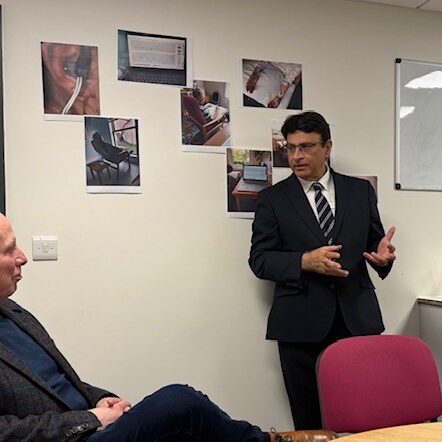
three people stood up having a discussion

Research Opportunities

PCIT supports research projects at Master’s, and PhD level, alongside staff-led and commercial studies.

New project ideas are welcomed and developed in partnership with academic staff and PCIT.

For more information:

Please contact Research Lead Dr Wesley Pyke at pcitresearch@kent.ac.uk

AT PCIT

You will find not only world-class care but also a compassionate community that celebrates and supports your progress. Together, let’s move forward with a healthcare experience that recognises the whole person, honours your individuality, and redefines what living with Parkinson’s can be.

Mark Mardell - PCIT Patron
PCIT Patron

Mark Mardell – Writer and broadcaster

I feel both proud and privileged to be the Patron of this centre. It is a brilliant idea, and like many a brilliant idea it seems simple and obvious –but only in retrospect, once someone has had the thought and pushed it with determination. All kudos to Prof David Wilkinson.

Scroll to Top